
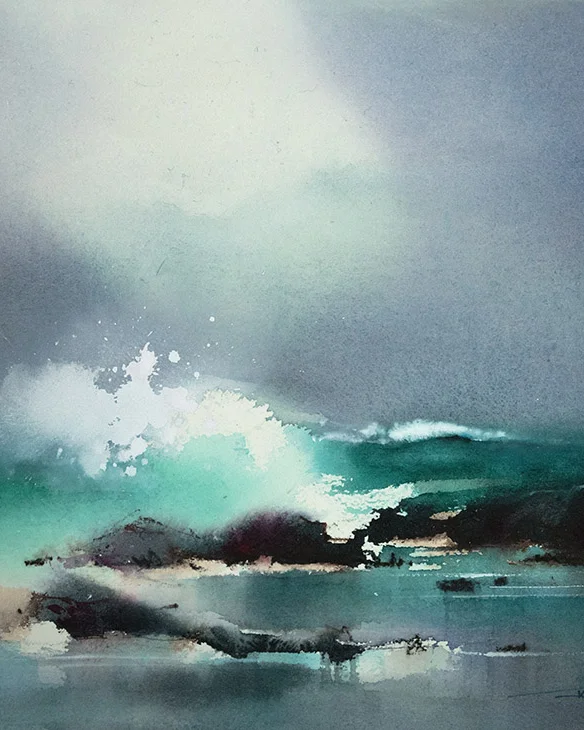
Transparent Watercolors: Transparent watercolors are the most common and widely used type. They are known for their clarity and luminosity. These paints are made by suspending pigments in a water-based solution, typically gum arabic. They are applied in thin, translucent layers, allowing light to shine through the colors, creating a brilliant, transparent effect.
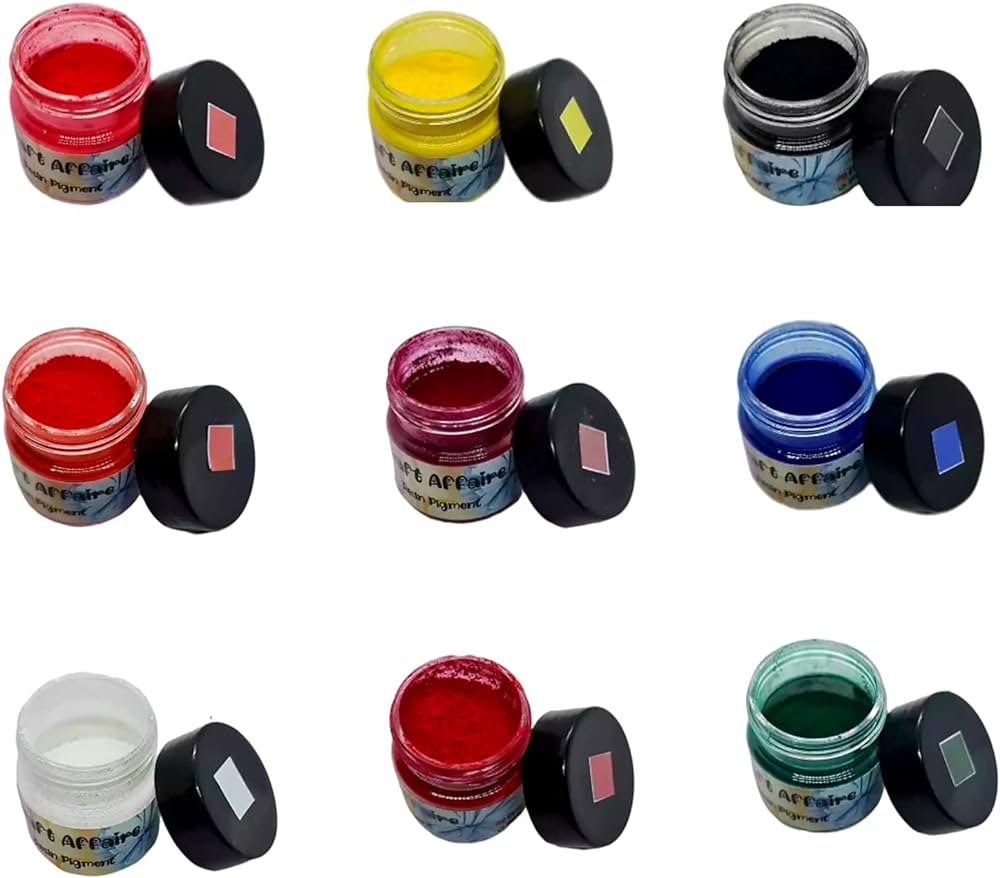
Opaque Watercolors (Gouache): Opaque watercolors, often called gouache, have a higher pigment concentration, which makes them more opaque and less transparent than traditional watercolors. They are known for their vivid, solid colors and are often used for illustrations and designs where strong, opaque coverage is desired.
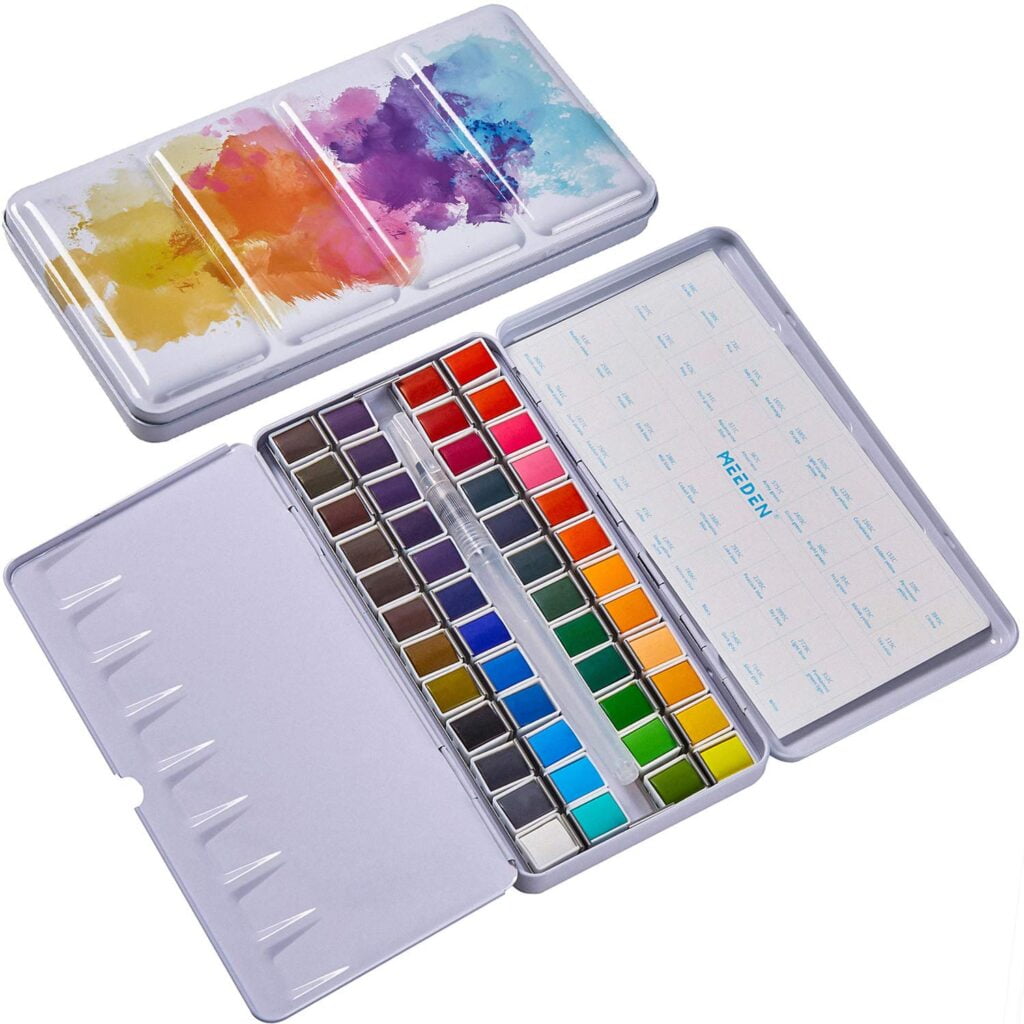
Pan Watercolors: Pan watercolors are dried watercolor pigments in a solid, cake-like form. Artists activate them by adding water with a brush. They are highly portable and are a popular choice for plein air painting or travel.
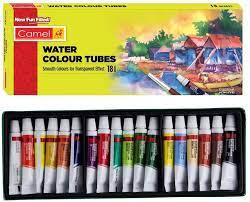
Tube Watercolors: Tube watercolors come in small tubes and are a more liquid form of watercolor. They are often favored for studio work and larger paintings. Tubes allow artists to easily control the amount of paint they use.
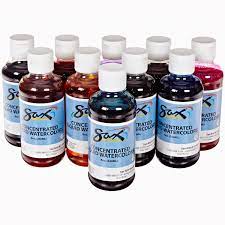
Liquid Watercolors: Liquid watercolors come in bottles and are pre-mixed with water, offering convenience and consistency in color intensity. They are often used for techniques like pouring and can be diluted for various effects.
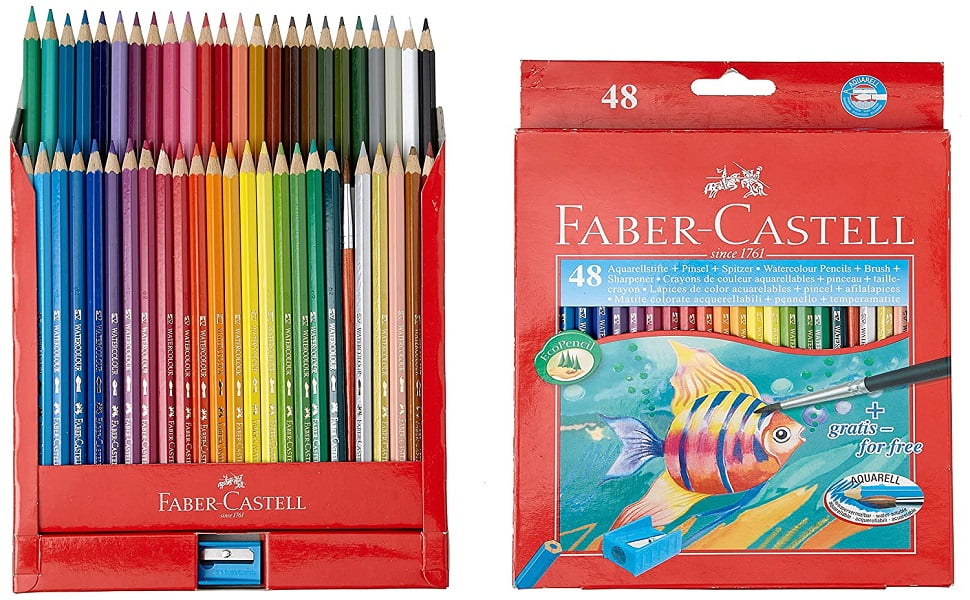
Watercolor Pencils: Watercolor pencils are pencils with water-soluble pigment cores. Artists can draw with them, then use a wet brush to blend and create watercolor-like effects. These are versatile for both drawing and painting.
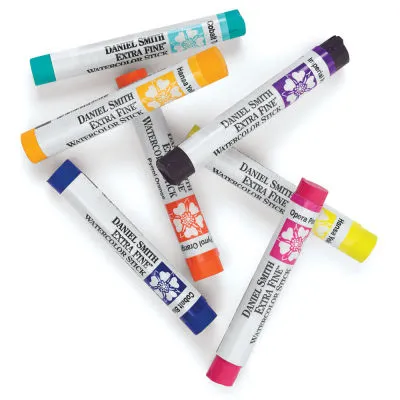
Watercolor Sticks: Watercolor sticks are similar to crayons, but they contain watercolor pigments. They can be applied directly to paper or wet with a brush to create different effects.
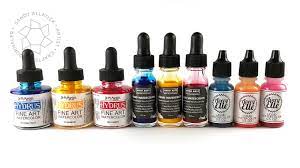
Liquid Ink Watercolors: These are highly concentrated watercolor pigments in liquid form. They offer intense color and are often used by illustrators and calligraphers for detailed work.
Natural Watercolors: Some artists create their watercolors using natural pigments, binding them with gum arabic. These paints can have unique, earthy colors and textures.
Student-Grade vs. Artist-Grade: Watercolors come in both student-grade and artist-grade varieties. Artist-grade watercolors generally contain higher-quality pigments and have better lightfastness and permanence. Student-grade watercolors are more affordable but may have lower pigment quality and lightfastness.